Culture and museums
Barcelona invites you to discover art from many different perspectives. Major collections, museums dedicated to universal figures, centers of contemporary creation, and historical sites are all part of a cultural offering capable of transforming any stay into a journey through different eras and artistic languages.
From the Barcelona Century Hotel, you can easily access must-see landmarks and combine each visit with a stroll through the surrounding neighborhoods. Be surprised by an unexpected artwork, a temporary exhibition, or a performance, and discover a city where culture always offers new perspectives.
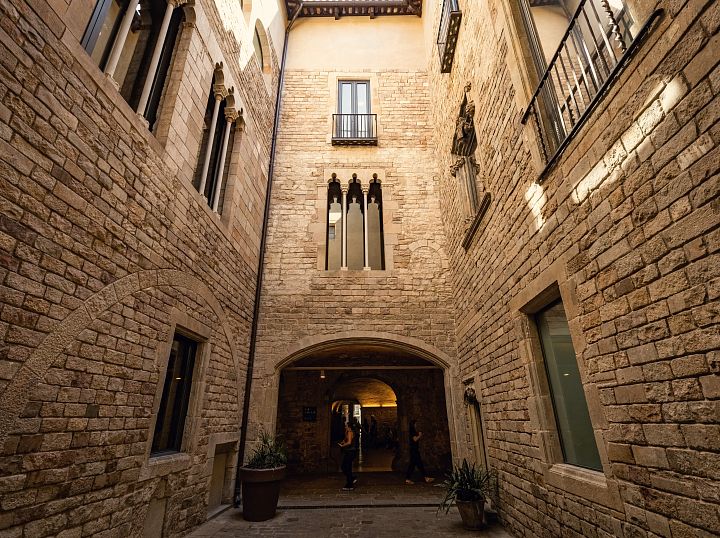
Picasso Museum, the formative years of a genius
In the heart of El El Born district, the medieval palaces of Carrer de Montcada house the Museu Picasso, a key institution for understanding the artist's formative years and his close relationship with Barcelona. Its collection comprises nearly five thousand works, with a particularly strong focus on his early period.
The visit allows you to follow Picasso's evolution while exploring buildings steeped in history. It's an experience where the museum's content and the surrounding architecture become inseparable parts of the tour.
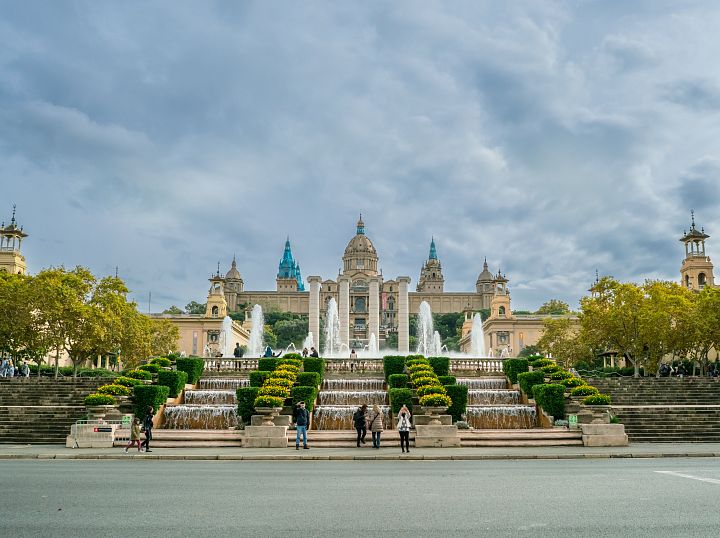
Museu Nacional d'Art de Catalunya, a thousand years of art
Located in the Palau Nacional de Montjuïc, the Museu Nacional d'Art de Catalunya offers a comprehensive overview of Catalan artistic heritage. Its collection spans Romanesque and Gothic art to the Renaissance, Baroque, Modernisme, and photography. Its collection of Romanesque mural paintings is particularly noteworthy.
In addition to exploring its galleries, the visit allows you to enjoy the building itself and the views over Barcelona from Montjuïc. It's an ideal way to combine art, architecture, and a privileged perspective of the city.
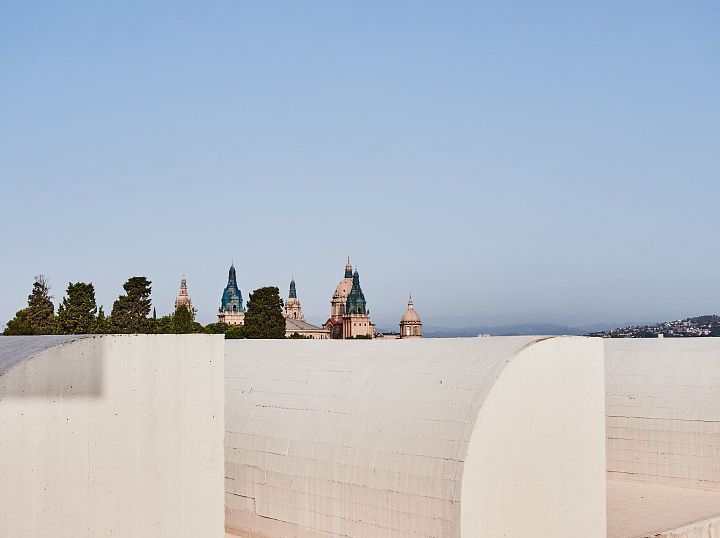
Fundació Joan Miró, art and light in Montjuïc
The Joan Miró Foundation invites you to delve into the personal universe of one of the most influential Catalan artists of the 20th century. Intense colors, recognizable symbols, and free-flowing forms allow you to discover his career and his unique way of interpreting the world.
The building, designed by Josep Lluís Sert, engages in a dialogue with the artworks, the natural light, and the Montjuïc landscape. This relationship between art and architecture transforms the visit into an open, luminous experience, unlike that of a traditional museum.
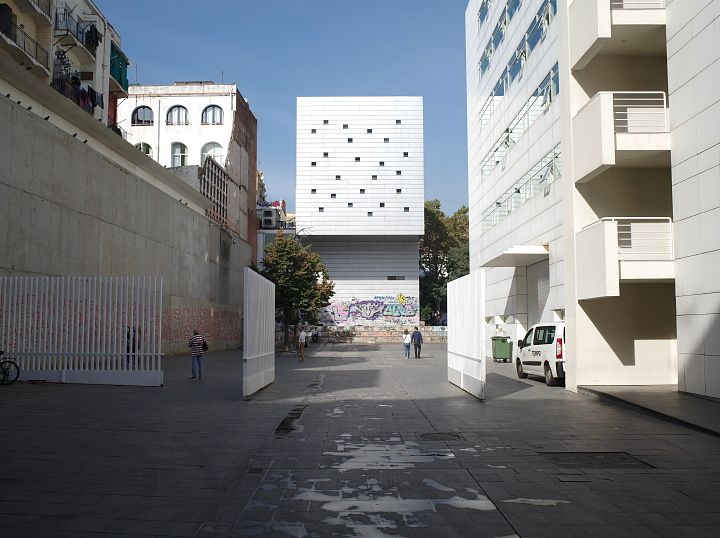
MACBA, new perspectives on the present
The Museu d'Art Contemporani de Barcelona occupies one of the most recognizable spaces in the Raval neighborhood. Its collection brings together works by Catalan, Spanish, and international artists, created primarily from 1960 to the present day, including painting, sculpture, photography, installations, video, and sound pieces.
Its exhibitions invite you to observe the present from new and, at times, unexpected perspectives. Before or after your visit, stop in Plaça dels Àngels and contemplate how the museum is an integral part of the neighborhood's urban and creative life.
CCCB, culture to understand our time
Next to the MACBA is the Centre de Cultura Contemporània de Barcelona (CCCB), a multidisciplinary space dedicated to reflecting on the major challenges of contemporary society. Its program includes exhibitions, debates, festivals, audiovisual presentations, and activities related to the city, science, and creativity.
Each project raises new questions and connects very different disciplines. It's a particularly interesting stop for those seeking a cultural experience linked to ideas, social change, and current ways of understanding the world.
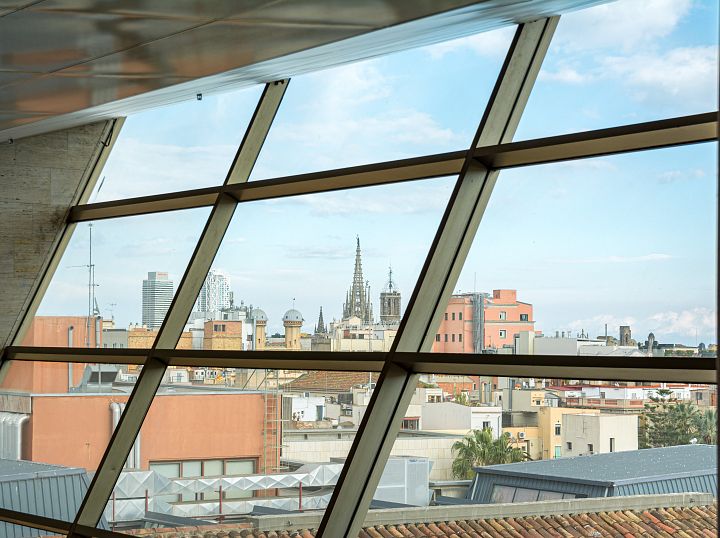
Gran Teatre del Liceu, a night of entertainment
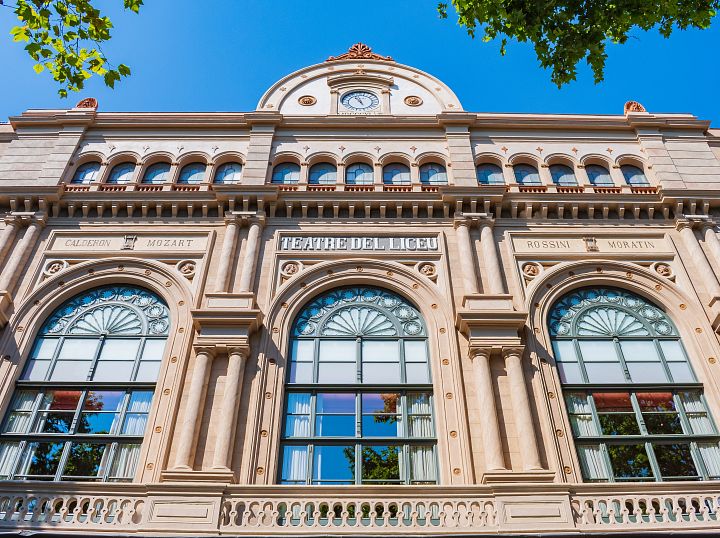
Located right on La Rambla, the Gran Teatre del Liceu is one of Barcelona's great cultural venues. Its origins date back to the 19th century, and its programming keeps the city's operatic and musical tradition alive.
Attending a performance allows you to discover the auditorium, the boxes, and the atmosphere before a major show. It's a special way to end the day and add to your stay an experience where music, performance, and history converge on stage.
Barcelona, always waiting to be discovered
Barcelona is a city of contrasts, open to the Mediterranean and full of iconic neighborhoods, architecture, culture, gastronomy, and urban life. Every stroll reveals a new perspective... Discover them all!

Barcelona by the sea

The Eixample district and neighborhoods with character

Gastronomy and markets

Shopping and urban life